




 9/24/2026 6:43:24 AM
 81
81High-protein products have moved well beyond traditional sports nutrition. Protein-enriched breads, muffins, cakes, cookies and baked snack bars are increasingly positioned as convenient breakfasts, smaller snacks or more satisfying alternatives to conventional bakery products. Interest in portion-conscious eating and GLP-1-influenced food choices has added further momentum to products that combine nutrition with convenience.
However, adding protein to a familiar bakery format changes much more than the nutrition panel. Protein ingredients affect water absorption, dough or batter behavior, browning, volume, crumb structure and eating quality. They also bring their own taste and aroma characteristics. A formula that looks successful on paper can therefore feel dry, powdery or less indulgent when eaten.
This creates a particular challenge for milk-flavored products. Consumers often associate milky flavor with softness, smoothness and richness. If the product smells creamy but feels dry in the mouth, the complete sensory message becomes inconsistent. Building an attractive dairy profile in a high-protein bakery product requires the flavor and texture to support each other.
Protein Ingredients Are Not Sensory-Neutral
Different protein sources create different starting points for flavor development.
Whey protein can fit naturally into milk, cream, vanilla and chocolate profiles because it comes from dairy. Even so, it may contribute cooked, sulfurous or slightly mineral notes depending on the ingredient and processing conditions. Milk protein concentrates can provide a more familiar dairy background, but they can also increase density or dryness when the formulation is not properly balanced.
Soy, pea, wheat and other plant proteins present different challenges. Their background may include beany, grassy, cereal-like, earthy, bitter or astringent characteristics. The strength of these notes varies with the protein source, supplier, processing method and inclusion level. A milk flavor that works well with whey protein may not give the same result in a pea-protein cake or a wheat-protein bread.
Higher protein content can also change how the product behaves during baking. Protein interacts with water and competes with starch and other ingredients for hydration. It may affect batter viscosity, dough development and gas retention. As the level of protein replacement increases, the product may become firmer, darker, less aerated or more crumbly. These physical changes influence how aroma is retained and released during eating.
That is why the protein system should be treated as part of the flavor brief, not only as a nutritional ingredient.
Why Creaminess Can Disappear Even When Milk Aroma Is Present
Creaminess is not created by aroma alone. It is a combined perception involving smell, taste, viscosity, lubrication, moisture and the way the product breaks down in the mouth.
A high-protein cake may contain a recognizable milk or vanilla aroma, but if the crumb is dry and the mouthfeel becomes powdery, consumers may still describe the product as insufficiently creamy. The physical sensation contradicts the aroma. Increasing the milk flavor may make the smell stronger, yet it does not necessarily restore the missing softness or richness.
Protein can also create sensations described as chalky, drying, rough or astringent. With whey protein, heat-induced structural changes and aggregation can intensify mouth-drying sensations under some conditions. Plant proteins may bring additional bitterness or particulate sensations. These effects can build during repeated chewing, so the first bite may seem acceptable while the finish becomes progressively drier.
This distinction is important in product evaluation. A weak dairy aroma, a thin flavor body and a dry mouthfeel are three different problems. They may occur together, but they should not automatically receive the same solution.
Baking Can Push the Profile Toward Cooked and Toasted Notes
High-protein formulations often brown differently from conventional bakery products. Proteins provide amino groups that can participate in heat-driven reactions with reducing sugars. Depending on the recipe and process, this may increase color development and generate stronger toasted, roasted or cooked notes.
These aromas are not always negative. In a butter cake, protein cookie or baked snack bar, a warm cooked-milk or caramelized dairy direction can integrate well with the baked base. The difficulty appears when the target is a light, fresh-milk profile. Strong browning, cereal notes or protein-derived aromas may cover the delicate top notes and make the dairy character feel heavier than intended.
The surface and center of the product also experience different conditions. The crust becomes hotter and drier, while the moist crumb remains at a lower temperature for much of the process. A successful flavor must therefore work across more than one sensory zone: the toasted exterior, the softer interior and the aroma released after cooling and packaging.
A flavor that smells fresh before baking may lose part of its light opening during heating. Another flavor with a less impressive bottle aroma may create a fuller and more stable impression in the finished cake. Performance should be judged after baking rather than from the concentrated sample alone.
Reduced Sugar and Fat Add Another Layer of Difficulty
Many high-protein bakery products are also designed with less sugar or fat. This creates a more complex formulation challenge.
Sugar supports more than sweetness. It contributes to moisture management, tenderness, browning and the overall impression of indulgence. When sugar is reduced, a milk flavor may seem less rounded and more exposed. Slight bitterness, mineral notes or protein aftertaste can become easier to notice. A condensed-milk or sweet-cream profile that works in a conventional cake may feel incomplete in a reduced-sugar version because the expected sweetness is no longer present.
Fat also supports the perception of dairy richness and changes the release of aroma compounds. Reducing fat may make a product feel lighter, but it can remove the mouth-coating sensation consumers associate with cream or butter. The remaining aroma may seem sharp or short-lived rather than smooth and continuous.
This is why “high protein,” “reduced sugar” and “reduced fat” should not be treated as three separate formulation tasks. Each change affects the same eating experience. The target should be a balanced product, not a collection of individually corrected claims.
A Milky Profile Needs an Opening, a Body and a Finish
One useful way to assess dairy flavor in a high-protein product is to consider three stages of perception.
The first is the opening aroma. This is what the consumer notices when opening the package and taking the first bite. Fresh-milk, sweet-cream or light vanilla notes can make the product immediately recognizable and inviting.
The second is the flavor body during chewing. Here, moisture, sweetness, fat, crumb structure and aroma combine. A creamy dairy profile needs enough body to remain present alongside the protein base. If the middle is weak, the product may smell milky but taste hollow.
The third is the finish. After swallowing, the dairy note should leave a pleasant, clean impression. If bitterness, dryness, bean notes or an artificial sweetness remains, the product may be less satisfying even when its initial aroma is strong.
Simply increasing one milk-flavor top note may improve the opening without repairing the body or finish. In some applications, a more complete solution requires a layered dairy direction: a recognizable milk or cream opening, a rounded creamy center and a controlled buttery or cooked-milk note that connects naturally with the baked base.
The right balance depends on the product rather than on a universal definition of “strong milk flavor.”
Different High-Protein Bakery Products Need Different Dairy Directions
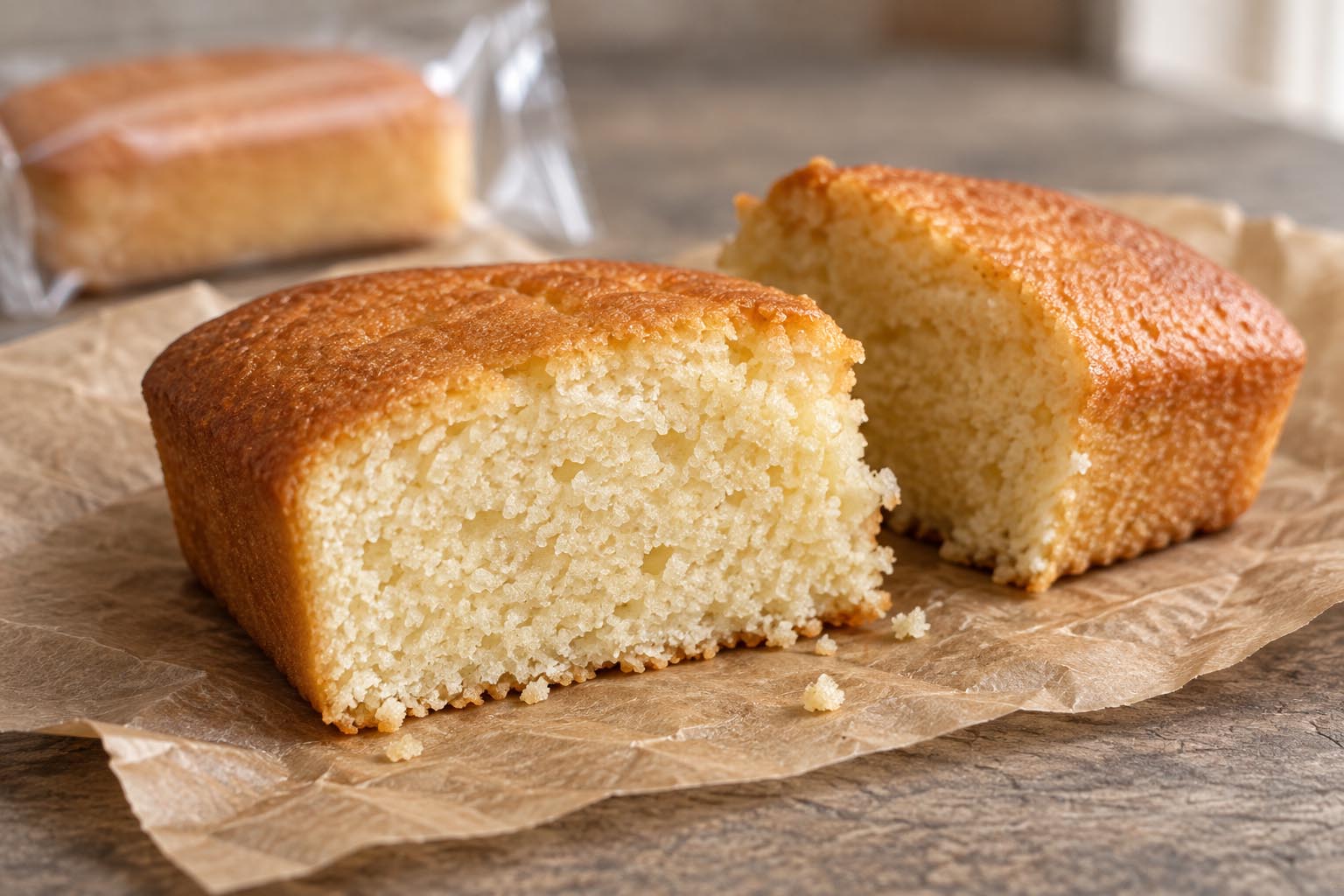
A soft protein-enriched cake generally needs the dairy profile to reinforce moisture and softness. Sweet cream, milk, vanilla cream or a light condensed-milk direction may work, but an overly heavy butter note can make the product feel dense. Egg content also matters because strong egg aroma can push the profile toward custard or cooked cake rather than fresh milk.
High-protein bread has a different background. Fermentation, wheat aroma and a chewier structure can reduce the impact of delicate milk notes. A soft milk-bread concept may need a clean dairy opening supported by a warm creamy body, while excessive sweetness or condensed-milk character can conflict with the bread identity.
Protein cookies and baked snack bars often have lower moisture and stronger toasted notes. Butter, caramelized milk, cream, vanilla or nutty dairy combinations may integrate better than a light fresh-milk profile. In these products, the goal may be to create indulgence and reduce the perception of dryness rather than to reproduce the aroma of liquid milk.
Filled products create another opportunity. The baked shell and the filling do not have to use exactly the same dairy profile. A warmer baked-milk note in the cake can be paired with a fresher cream note in the filling. This contrast can make the product feel more dimensional while helping the creaminess remain noticeable during eating.
Masking Is Useful, but It Is Not the Whole Answer
Off-note control is often discussed in high-protein product development, especially when plant proteins are used. Masking can reduce the perception of bitterness, beany notes, minerals or fermentation-related characteristics. However, a product that only hides defects may still lack a positive flavor identity.
The better objective is to build a complete taste structure. The background off-notes should be controlled, but sweetness, salt balance, acidity, aroma and mouthfeel must also support the intended dairy character. A rounded milk profile can help connect these elements, but it cannot independently correct a crumb that is too dry or a protein level that has made the product excessively dense.
This is where close cooperation between flavor selection and application development becomes important. When the flavor team understands the protein source, target nutrition, fat system, sugar level and processing conditions, it becomes easier to determine whether the main need is stronger aroma impact, more creamy body, better aftertaste control or a different dairy direction altogether.
Test the Complete Product, Not Just the Fresh Sample
High-protein bakery products should be evaluated after the full process: mixing, baking, cooling and packaging. A sample tasted warm from the oven may appear softer and more aromatic than the product consumers will eat later.
Testing should include the completely cooled product and relevant stages of storage. Protein and fiber can influence moisture migration and firming over time. As the crumb becomes drier, the same dairy aroma may feel less creamy. Changes in fat, packaging headspace and background ingredients may also alter the balance between fresh, cooked and stale notes.
Sensory evaluation should therefore separate several questions. Is the dairy aroma recognizable? Does it remain present during chewing? Does the texture support or contradict creaminess? Are protein off-notes appearing at the end? Does the packaged product release an attractive aroma when opened? These questions provide more useful guidance than asking only whether the milk flavor is “strong enough.”
If the product will be produced on a commercial line, pilot and scale-up trials are also important. Industrial mixing, baking and cooling conditions may change moisture loss, color development and flavor retention compared with a small laboratory batch.
Designing a Better High-Protein Dairy Experience
The growth of high-protein foods creates room for bakery products that offer both nutritional value and genuine enjoyment. But protein enrichment introduces real sensory consequences. Dryness, chalkiness, bitterness, stronger browning and reduced flavor release cannot always be solved by increasing the flavor dosage.
At Liangdun, selecting a milk flavor for a protein-enriched bakery product begins with the intended eating experience. Should the product feel like fresh milk bread, sweet cream cake, butter cookies, condensed-milk filling or a modern dairy snack? The protein source, sugar and fat levels, baking process, texture and shelf-life target then need to be considered together.
Application testing in the actual bakery base helps determine whether the product needs a clearer milky opening, a fuller creamy body, a warmer baked-dairy note or a cleaner finish. It also helps distinguish a flavor problem from a texture or formulation problem.
When flavor and mouthfeel tell the same story, a high-protein product no longer tastes like a nutritional compromise. It can deliver the creaminess, familiarity and satisfaction consumers expect from a well-designed dairy-style bakery product.