




 8/15/2026 12:29:14 AM
 261
261The flavor of bread is created long before the dough enters the oven. During fermentation, yeast transforms the ingredients in the dough, produces gas and creates a range of aroma compounds. These changes influence not only dough volume and texture but also the final taste and aroma of bread and other yeast-based bakery products.
Two products made with similar flour, sugar and fat can develop noticeably different flavor profiles when their fermentation time, temperature or yeast level changes. Understanding this process helps bakery manufacturers achieve a more appealing aroma, improve batch consistency and select bakery flavors that work well with the natural characteristics of fermented dough.
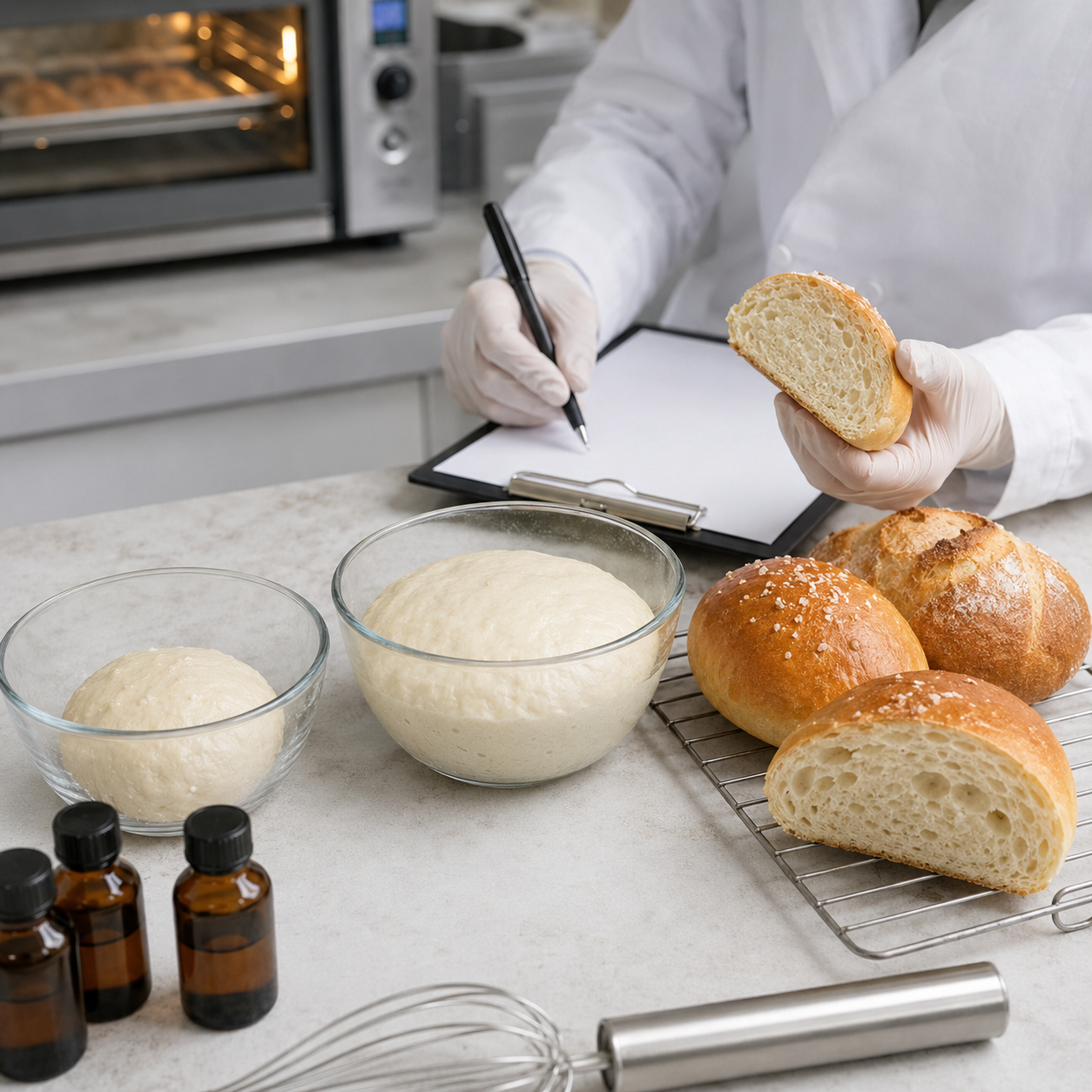
What Happens During Dough Fermentation?
The primary role of baker’s yeast is to convert fermentable sugars into carbon dioxide and ethanol. Carbon dioxide becomes trapped in the gluten structure, allowing the dough to rise and develop a light texture. Much of the ethanol evaporates during baking, but fermentation also produces organic acids, esters, alcohols and other aroma compounds that contribute to the character of the finished bread.
Enzymes naturally present in flour also take part in this process. They break down some of the starches and proteins, providing sugars and other components that can be used by yeast or participate in later reactions during baking.
Fermentation is therefore not simply a dough-rising stage. It creates the flavor foundation of bread before the crust begins to brown.
How Fermentation Creates Bread Aroma
Freshly mixed dough generally has a mild flour and yeast aroma. As fermentation progresses, the sensory profile becomes more complex. Depending on the recipe and process, the dough may develop malty, fruity, creamy, fermented or slightly acidic notes.
Esters produced during fermentation can contribute light fruity characteristics, while alcohols and organic acids add depth and complexity. These compounds may not always be recognized individually by consumers, but together they create the familiar aroma associated with properly fermented bread.
The amount and balance of these compounds depend on the yeast strain, fermentation conditions and dough composition. This is why a quickly produced sandwich loaf does not smell exactly like a slowly fermented artisan bread, even when the basic ingredients are similar.
Fermentation Time and Flavor Development
Fermentation time has a major influence on flavor. A very short process may produce enough carbon dioxide to increase dough volume but may not allow sufficient time for a complex aroma profile to develop. The finished bread can taste relatively mild or lack depth.
Longer fermentation generally gives yeast and flour enzymes more time to act. This can produce a fuller aroma, improve the balance between cereal and fermented notes and provide more flavor precursors for browning during baking.
However, longer fermentation does not automatically mean better flavor. If the dough ferments for too long, it may develop excessive acidity, strong alcoholic notes or an undesirable overripe yeast character. Overfermentation can also weaken the dough structure, reduce volume and make production results less consistent.
The appropriate fermentation time should therefore match the product. Soft sandwich bread, sweet buns, whole-grain bread and artisan loaves do not require the same sensory profile or processing conditions.
The Influence of Fermentation Temperature
Temperature affects both the speed of yeast activity and the types of flavor compounds produced.
At warmer temperatures, yeast generally works more quickly. This helps shorten production time, but rapid fermentation may create a less complex flavor if the dough reaches the required volume before sufficient aroma development has occurred.
Cooler and slower fermentation can encourage a more layered flavor profile. Refrigerated dough processes are often used to develop deeper fermented, malty or slightly fruity notes. They can also improve scheduling flexibility in bakery production.
Nevertheless, low-temperature fermentation must be carefully controlled. If the temperature, time or yeast level is unsuitable, the dough may rise too slowly or develop an unbalanced flavor. Stable temperature control is important for achieving consistent results from batch to batch.
How the Recipe Changes Fermentation Flavor
Fermentation does not take place independently of the recipe. Flour type, sugar, fat, salt, dairy ingredients and other components all affect yeast activity and the resulting flavor.
Whole-grain flour contributes stronger cereal, bran and nutty notes than refined wheat flour. These characteristics can increase flavor complexity, but they may also introduce bitterness or earthy aftertastes that need to be balanced.
Sugar provides sweetness and can support yeast activity at suitable levels. In sweet doughs, however, a high sugar concentration can reduce the availability of water to the yeast and slow fermentation. This is one reason enriched sweet breads often require different fermentation conditions from basic white bread.
Fat, milk powder, eggs and butter create a richer base and can soften the perception of fermented or cereal notes. They also introduce creamy, dairy and egg characteristics that interact with both fermentation aromas and added bakery flavors.
Salt is important for taste and dough structure, but it also controls yeast activity. An incorrect salt level can change fermentation speed and influence the overall flavor balance of the bread.
Straight Dough, Preferments and Sourdough
Different fermentation methods create different sensory results.
In a straight-dough process, most or all ingredients are mixed together before the main fermentation stage. This method is efficient and suitable for large-scale production, but the final flavor depends heavily on the controlled balance of yeast dosage, time and temperature.
Preferments such as sponge dough or poolish allow part of the flour and water to ferment before the final dough is mixed. This additional stage can create a more complex aroma and improve the perception of freshness and depth.
Sourdough fermentation involves both yeast and lactic acid bacteria. It can produce stronger acidity, fermented notes and greater flavor complexity. However, sourdough is a distinct fermentation system, and its sensory profile may not be suitable for every product. Soft milk bread, sweet buns and neutral sandwich bread often require a milder flavor direction.
Manufacturers should choose the fermentation method according to the desired product identity rather than assuming that one process is suitable for every bread.
Fermentation and Baking Work Together
Fermentation creates many of the compounds that later contribute to bread aroma, but baking determines how these components are transformed.
When the dough enters the oven, yeast activity initially increases as the temperature rises and then stops as the yeast is inactivated. Moisture and volatile compounds begin to escape, while the structure of the bread becomes fixed.
On the surface, Maillard reactions and caramelization produce the brown color and toasted aroma of the crust. Sugars and amino compounds developed or released during fermentation participate in these reactions, generating roasted, malty, nutty and caramel-like notes.
The crumb remains cooler and retains more moisture than the crust, so its aroma is generally softer and more fermented, cereal-like or dairy-like. The finished flavor is therefore created through the combination of fermentation aromas, recipe ingredients and heat-generated compounds.
How Fermentation Affects Added Bakery Flavors
Bakery flavors must work with the fermented dough rather than simply cover its existing aroma.
Milk, butter, cream and vanilla profiles are often used in soft bread, toast, sweet buns and other enriched yeast products. A well-selected flavor can enhance richness, create a clearer product identity and maintain a recognizable aroma after fermentation and baking.
However, fermentation changes the chemical and sensory environment of the dough. Changes in acidity, moisture and background aroma can affect how an added flavor is perceived. Some light and volatile notes may also be reduced during prolonged fermentation, proofing or baking.
Simply increasing the dosage may make the heavier notes too strong without restoring the desired freshness. The better approach is to evaluate how the flavor interacts with the dough before fermentation, after proofing and after baking.
For whole-grain, high-protein or nutritionally fortified bread, flavor selection can also help balance strong cereal notes, bitterness, bean-like aromas or other undesirable background characteristics. The goal is not to completely hide the product base but to create a more harmonious finished flavor.
Cooling, Packaging and Shelf-Life Changes
Bread flavor continues to change after baking. During cooling, heat, moisture and volatile aroma compounds leave the product. Bread that smells strong immediately after leaving the oven may have a milder aroma after it reaches room temperature.
Packaging too early can trap excess moisture and affect texture, while prolonged exposure before packaging may cause additional aroma loss. During storage, oxidation, moisture migration and aroma absorption by packaging materials can further change the sensory profile.
For this reason, fermentation flavor and added bakery flavors should not be evaluated only while the bread is warm. Samples should also be assessed after complete cooling and at different points throughout the intended shelf life.
Why Application Testing Is Important
A flavor that performs well in one bread formula may behave differently in another. Changes in flour, sugar, fat, fermentation time, proofing temperature, oven conditions or packaging can all affect the final result.
Application testing should reproduce the commercial process as closely as possible. The bread should be evaluated at several stages, including after mixing, after fermentation, after baking, after cooling and during storage.
Sensory evaluation should consider the complete profile: fermented aroma, cereal character, dairy or butter notes, sweetness, crust aroma, aftertaste and overall balance. Volume, crumb structure and texture should also be observed because an unsuitable flavor dosage or carrier system may influence the formulation.
The most important evaluation point is the finished product—not the smell of the flavor directly from its container.
Conclusion
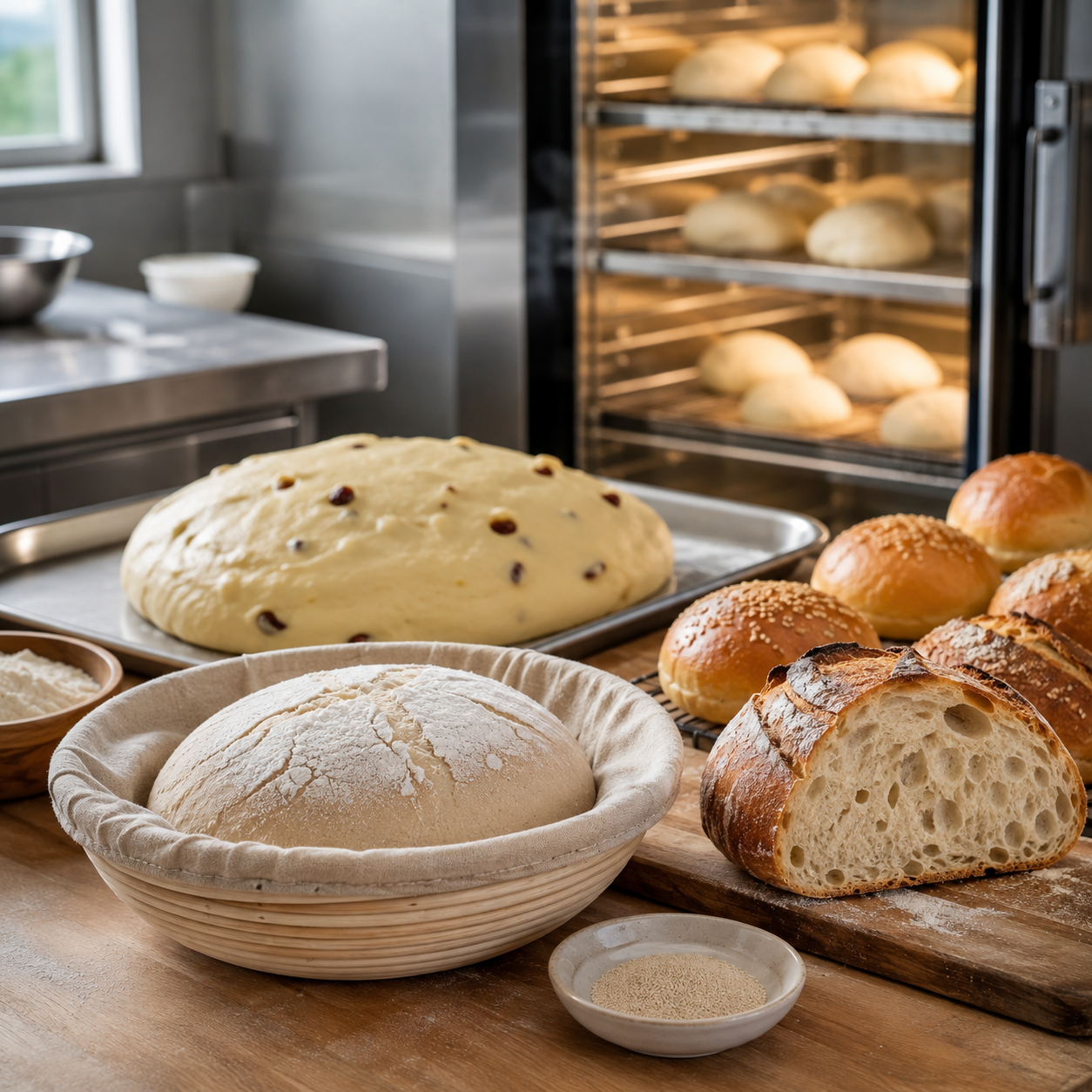
Fermentation influences much more than the volume and texture of bread. Through the activity of yeast, flour enzymes and other microorganisms, it creates aroma compounds and flavor precursors that shape the final sensory character of yeast-based bakery products.
Fermentation time, temperature, yeast level, dough composition and production method all affect the balance of cereal, fermented, fruity, malty, creamy and acidic notes. These fermentation characteristics then interact with the toasted and caramelized aromas formed during baking.
Successful flavor development requires coordination between the recipe, fermentation process, baking conditions and added bakery flavor. By testing the complete application under real production conditions, manufacturers can create bread products with a more distinctive aroma, better flavor balance and greater batch-to-batch consistency.
Liangdun provides food flavor solutions for bread, toast, sweet buns, cakes, cookies, fillings and other bakery applications. Its bakery flavor range includes milk, cream, butter, cheese, chocolate, vanilla, nut, grain, egg and salted egg yolk profiles. Through application testing and customized flavor development, Liangdun helps bakery manufacturers achieve balanced aroma and reliable flavor performance in finished products.